Transforming district heating using locally sourced fuels – the examples from Acqui Terme and Weiz-Gleisdorf
By: Evan Bernardi
Exploring locally sourced fuels is a way of reducing dependency on imported fossil fuels, while ensuring affordability and sustainability. In the ENABLE DHC project, two case studies are exploring locally sourced sustainable fuels that can help the networks to decarbonise and become efficient. While Acqui Terme in Italy has an abundance of geothermal, Weiz-Gleisdorf in Austria is using biomass to cut emissions.
In the ENABLE DHC project, nine case studies across seven countries are investigating how to modernise existing district heating networks to meet the efficiency requirements of the Energy Efficiency Directive (EED). A common priority across the sites is the assessment of locally sourced energy that could replace natural gas and other fossil fuels currently used to meet heat demand. In Acqui Terme, in Italy’s Piedmont region, and in Weiz-Gleisdorf, in the Austrian state of Styria, studies are underway to evaluate the potential of nearby geothermal and biomass resources to increase efficiency and support full decarbonisation.
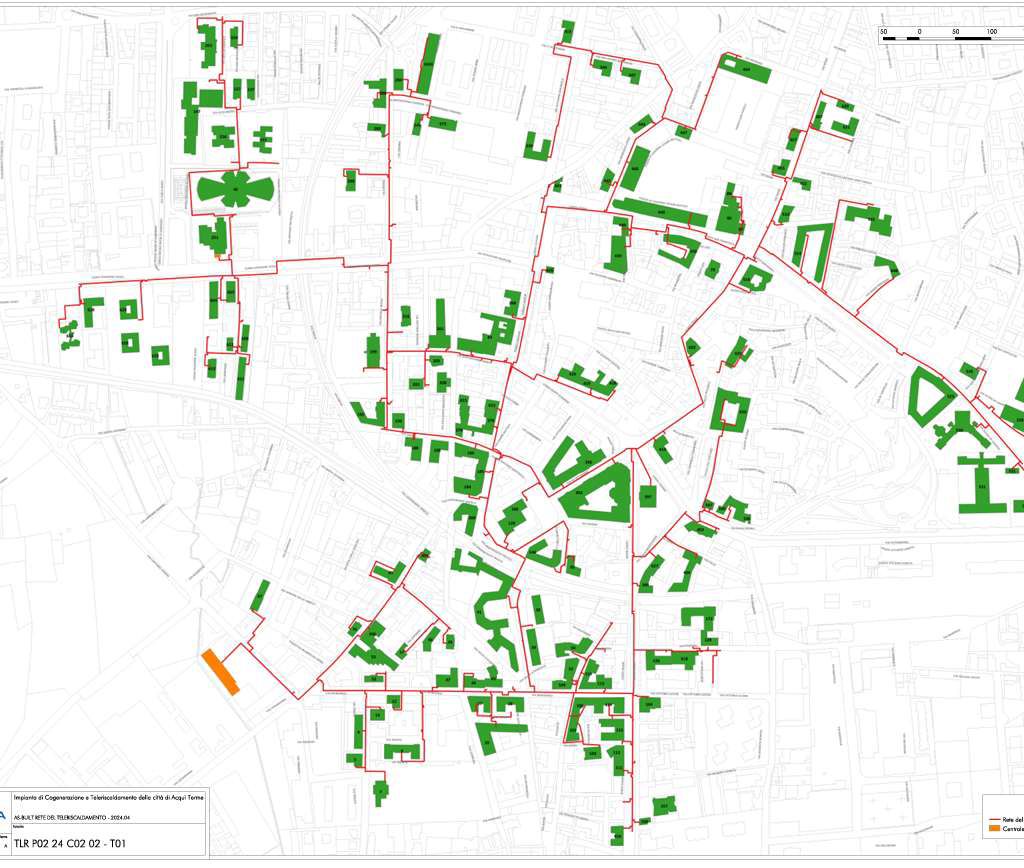
In Italy, project partners are making use of the distinctive setting of Acqui Terme. Known since Roman times for its natural hot springs, the town has considerable geothermal potential. While this resource has traditionally been used for tourism, the local government now intends to harness it for the district heating network. Project partners Ambiente Italia and OPTIT are working with local stakeholders to assess current conditions, identify the challenges of integrating geothermal heat into the system, and explore the opportunities it may bring. Together, they are developing an investment plan running until 2035, aligned with the evolving requirements of the EED.
facilities
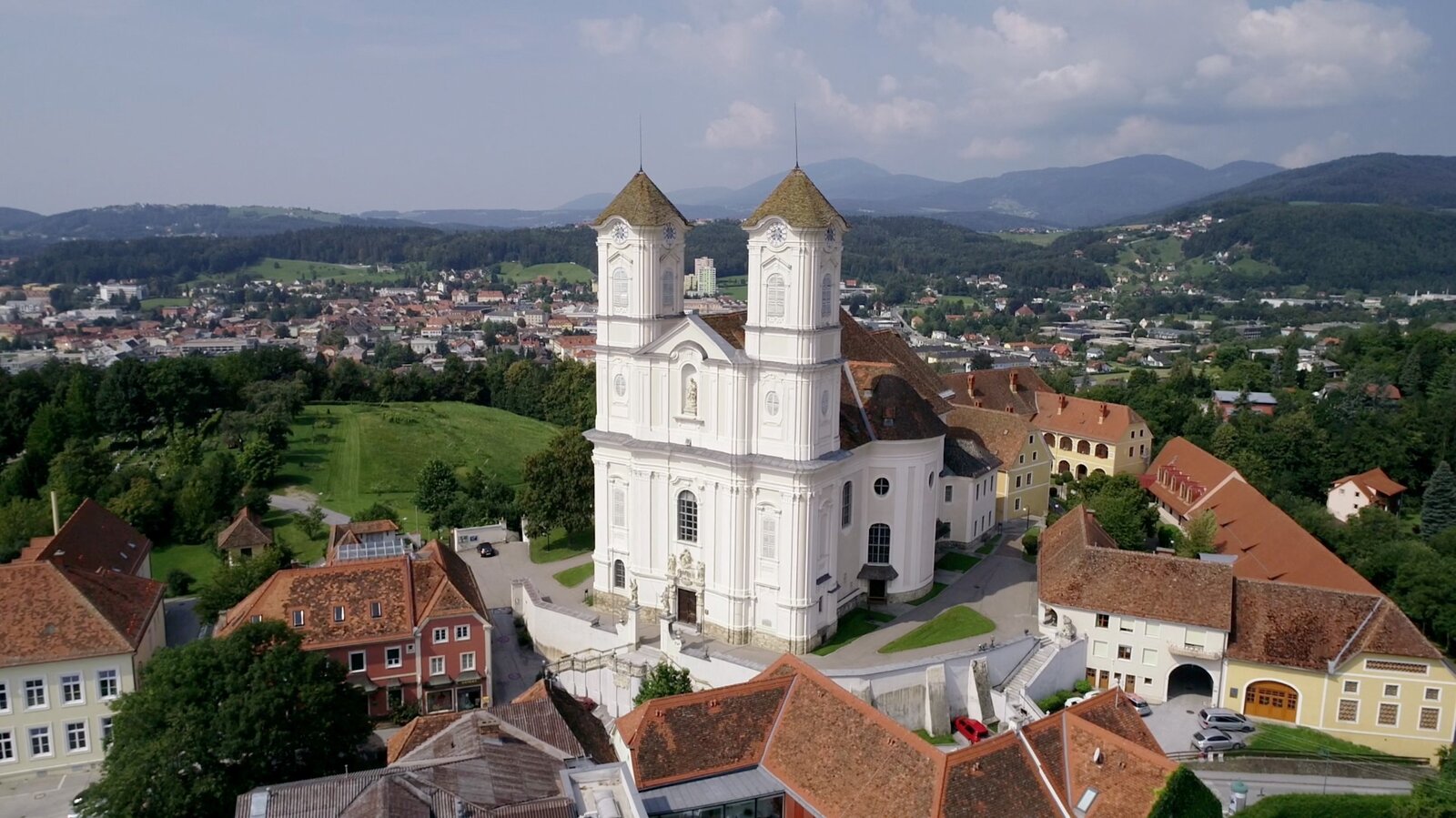
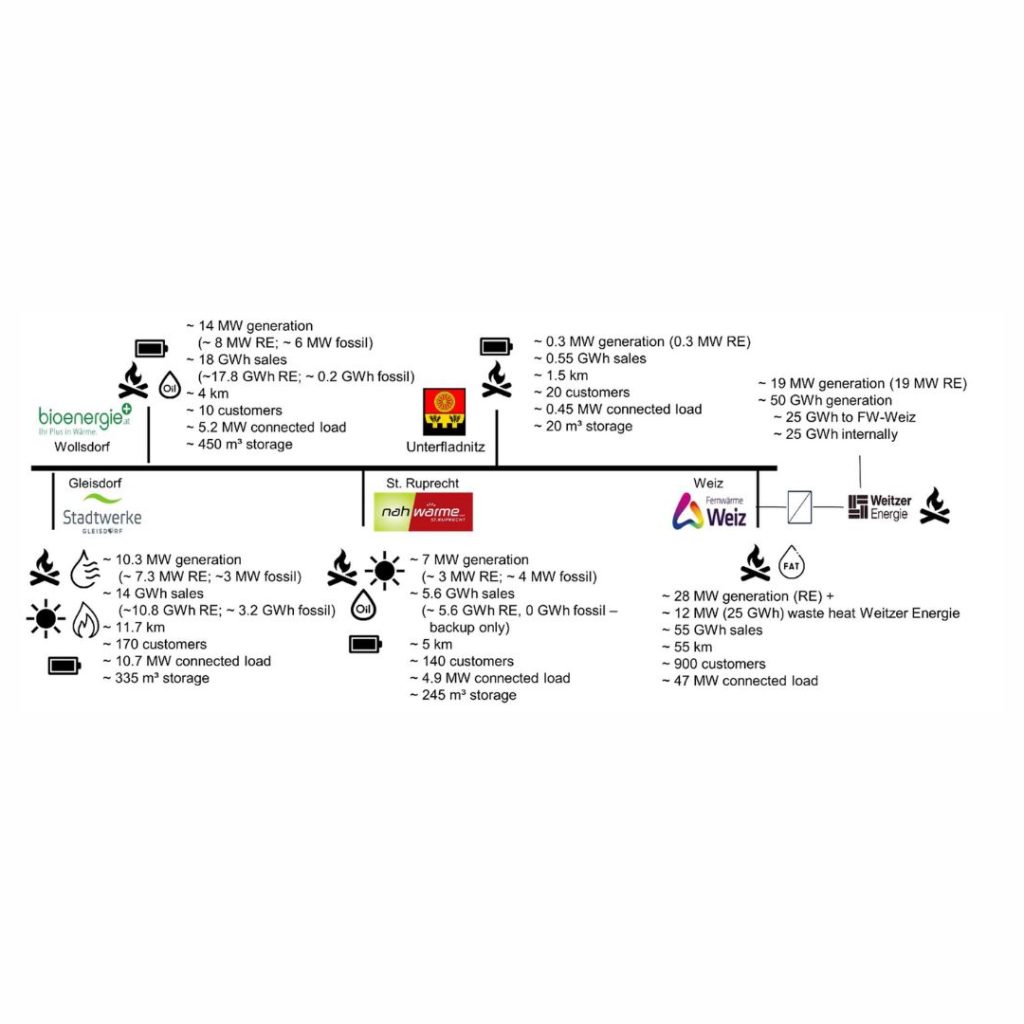
In Austria, the situation differs. With abundant biomass resources, the country is well positioned to replace fossil fuels in heat generation—an opportunity that also applies to the five municipalities along the Weiz-Gleisdorf axis. Beyond decarbonising existing networks, local actors aim to interconnect these systems into a single large network across the area. Such a unified system would enable the installation of a shared thermal storage tank, enhancing grid balancing and overall system management. Project partner AEE INTEC is currently engaging with local stakeholders to promote the initiative and coordinate future steps.
A shared element between the Acqui Terme and Weiz-Gleisdorf cases is the crucial role of local authorities and stakeholders. They are key enablers of the proposed transitions, and their involvement is essential for developing robust investment plans that reflect local policy and regulatory conditions, technical opportunities and constraints, and the need to ensure public acceptance. More broadly, the project highlights the strategic importance of locally sourced fuels. In a challenging geopolitical context, increasing energy independence can help mitigate price volatility while keeping decarbonisation goals on track. Furthermore, the insights gained from integrating geothermal, biomass, and other renewable sources—including waste heat—will be applicable beyond the primary case studies. ENABLE DHC plans to work with 18 follower cases that will be able to draw on the project’s findings and apply them to real-world conditions, amplifying the impact across Europe.