ENABLE DHC’s 2nd General Assembly took place in Riga, Latvia.
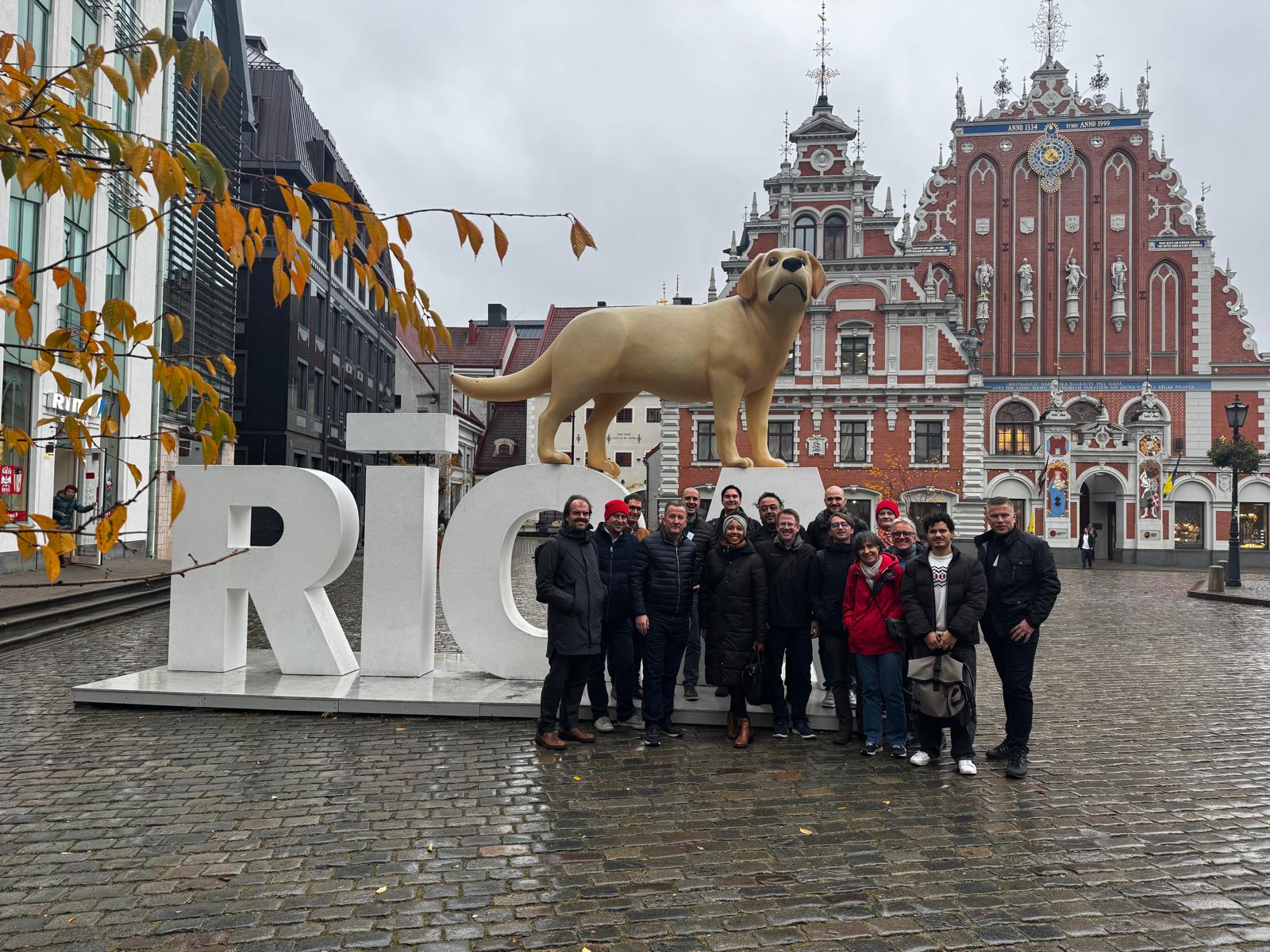
The 2nd General Assembly of the ENABLE DHC project took place in Latvia’s capital between the 4-5th of November. It was a special occasion, as the project celebrated one year. In the past 12 months, much progress has been made in the case studies to decarbonise and make them more efficient, with more work expected as the project advances rapidly.
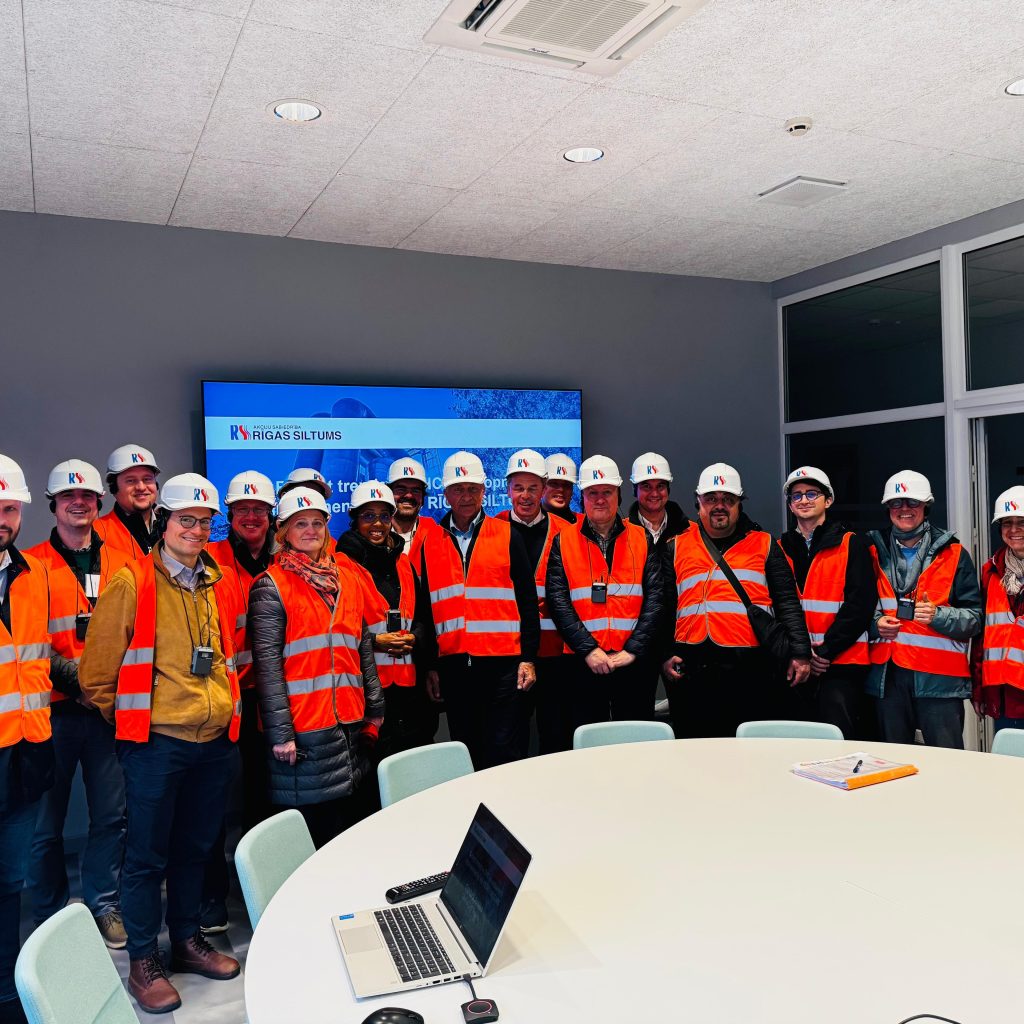
Riga warmly hosted the consortium partners of the ENABLE DHC project. Partners from Austria, Italy, Germany, Belgium, Ireland, and Croatia joined presentially, while the partners from Slovenia and Ukraine attended virtually. The Riga City Hall was the venue for the 2-day meeting, and representatives of the city government and the utility operator were present to welcome and present on the objectives in the city’s heating planning. The presence of local authorities highlighted the relevance of the project in supporting the decarbonisation of Riga’s district heating network.
Elina Treija, Riga’s Chairman of the Committee of Housing and Environment, opened the event by giving a speech about the commitment of Riga to a carbon-free future. She presented about Riga’s ambitious goals for a greener and more efficient heating system, and the efforts being made at the local level to ensure political support for the works necessary to make Riga’s network an efficient one.
“Riga’s district heating system is more than just an energy network — it’s the backbone of a sustainable city.” – Reinis Kasparsons
She was followed by Reinis Kasparsons, member of the Management Board at JSC Rigas Siltums, the company that manages a large part of the network, who presented the details of the district heating system and the current works underway to ensure it can keep expanding, while adding new, carbon-free technologies to fully phase out fossil fuels in the network. He also reinforced the relevance of EU-funded projects in supporting cities transitioning to a more efficient and sustainable future. According to Reinis, “projects like ENABLE DHC are vital in supporting cities like Riga on their path toward a sustainable energy future and decarbonization. ENABLE DHC brings together expertise from across Europe; it helps us identify and implement innovative solutions that make our district heating systems more efficient and resilient. Improving the efficiency of our network is not only about reducing energy losses and emissions — it’s about ensuring that our citizens benefit from a reliable, affordable, and environmentally responsible energy supply. Riga’s district heating system is more than just an energy network — it’s the backbone of a sustainable city. Every meter of modernised pipeline, every heat pump, every digital sensor is a step toward carbon neutrality and energy independence. The future we are building is not only efficient — it’s intelligent, and behind every megawatt of heat, there are people — families, communities, and a city that depends on us. The district heating system of tomorrow is digital, renewable, and resilient — and the future starts here, with us.”
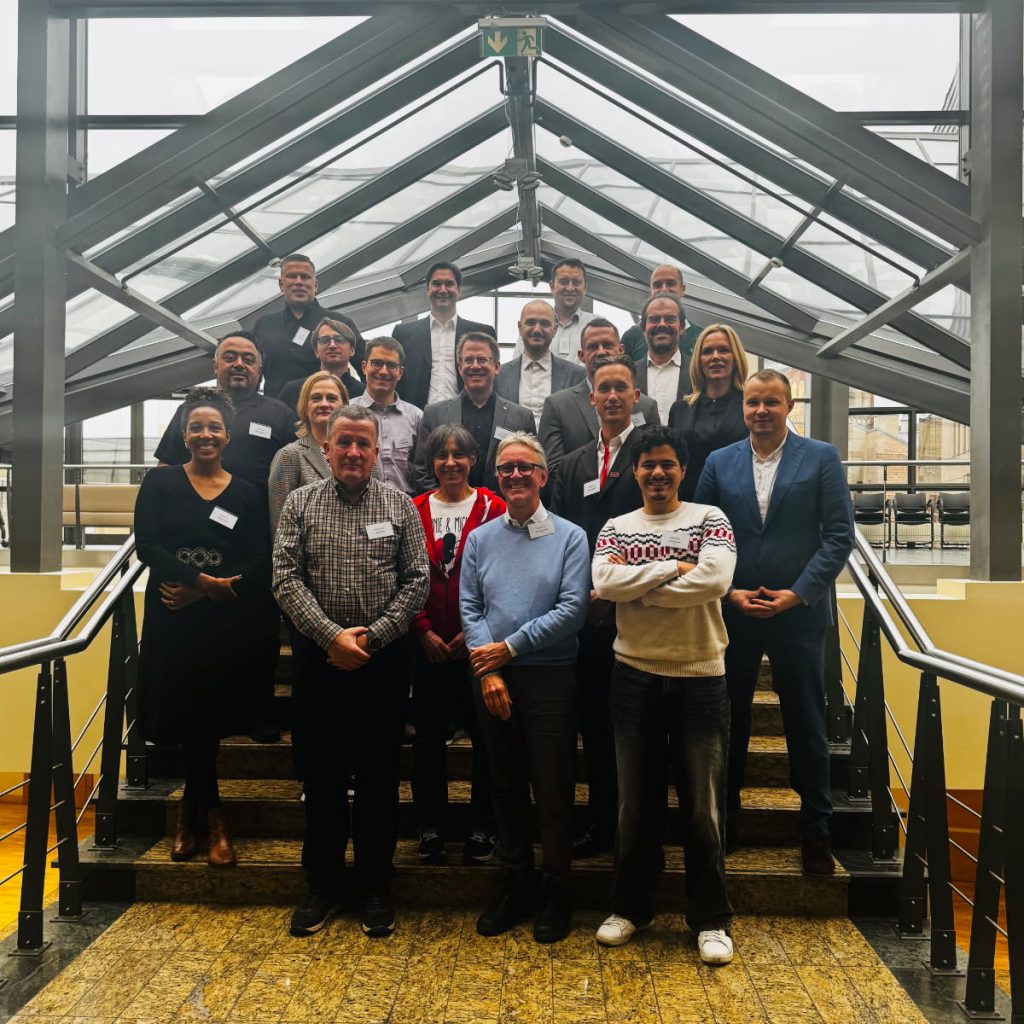
After the opening speeches, the partners could present the latest updates in the work packages and discuss key elements for the sound advancement of the works. Besides presentations and debates about the project, the partners could also visit the Imanta power plant. There, hot water electrode boilers will generate clean and efficient heat, and help reduce the use of natural gas in the network. Currently, Riga uses 60% of fossil fuels in its heat generation, but it plans to drastically reduce this number. By 2040, the city expects to use renewables to supply 90% of its heat needs. To reach such an ambitious goal, Riga is also investing in capturing excess heat from the wastewater treatment plant and connecting different parts of the network, allowing for the installation of heat storage and for seamless management of the grid.
Advancements also occurred in the other eight pilot sites, where meetings with local stakeholders are ensuring effective transformation of the networks into efficient systems according to the European Union’s Energy Efficiency Directive. In many pilots, feasibility studies and modelling analyses are also underway to identify viable renewable energy and excess heat sources, and foresee and prevent barriers and constraints to their full integration.
Latest updates on the case studies
Acqui Terme (IT) – Studies and modelling are underway for the use of geothermal heat in the city’s network. Technical, permitting, and regulatory barriers are also being analysed to better understand how to couple renewable energies into the system, ensuring public acceptance and profitability.
Tallaght (IE) – It was recently installed a heat pump connecting a data centre to the 6 nearby buildings, supplying them with clean heat.
Rijeka (HR) – Meetings with local authorities are being held frequently to present them with the objectives of the project and the next steps. The expansion design of the network was recently started. Up to 20 kilometres of pipes will be added to Rijeka’s DH system.
Ljubljana (SI) – Meetings with local authorities are being constantly held to present to them the objectives of the project for the city. Currently, analyses for the integration of renewable energy sources are being conducted.
Wien (AT) – The Austrian partners are in close talks with the city’s utility, Wien Energie, to discuss the plans for efficiency and decarbonisation of the network. A workshop was held in October to discuss risk assessment procedures.
Weiz-Gleisdorf (AT) – All stakeholders present in the different cities of the network corridor are being contacted and engaged to gather their support and develop a study to evaluate how to connect five currently separated systems. Beyond connecting the different networks, the plan also foresees the installation of thermal storage tanks for better grid balancing.
Poltava (UA) – The development of the investment plan is underway. The work is being done in close partnership with Poltavateploenergo, the city’s utility operator.
Stryi (UA) – The development of the works is advancing as expected, with meetings with local stakeholders taking place to understand the constraints and possibilities for decarbonising the city’s network.