Inspiring Stories Ep. 2 – Tallinn DH network
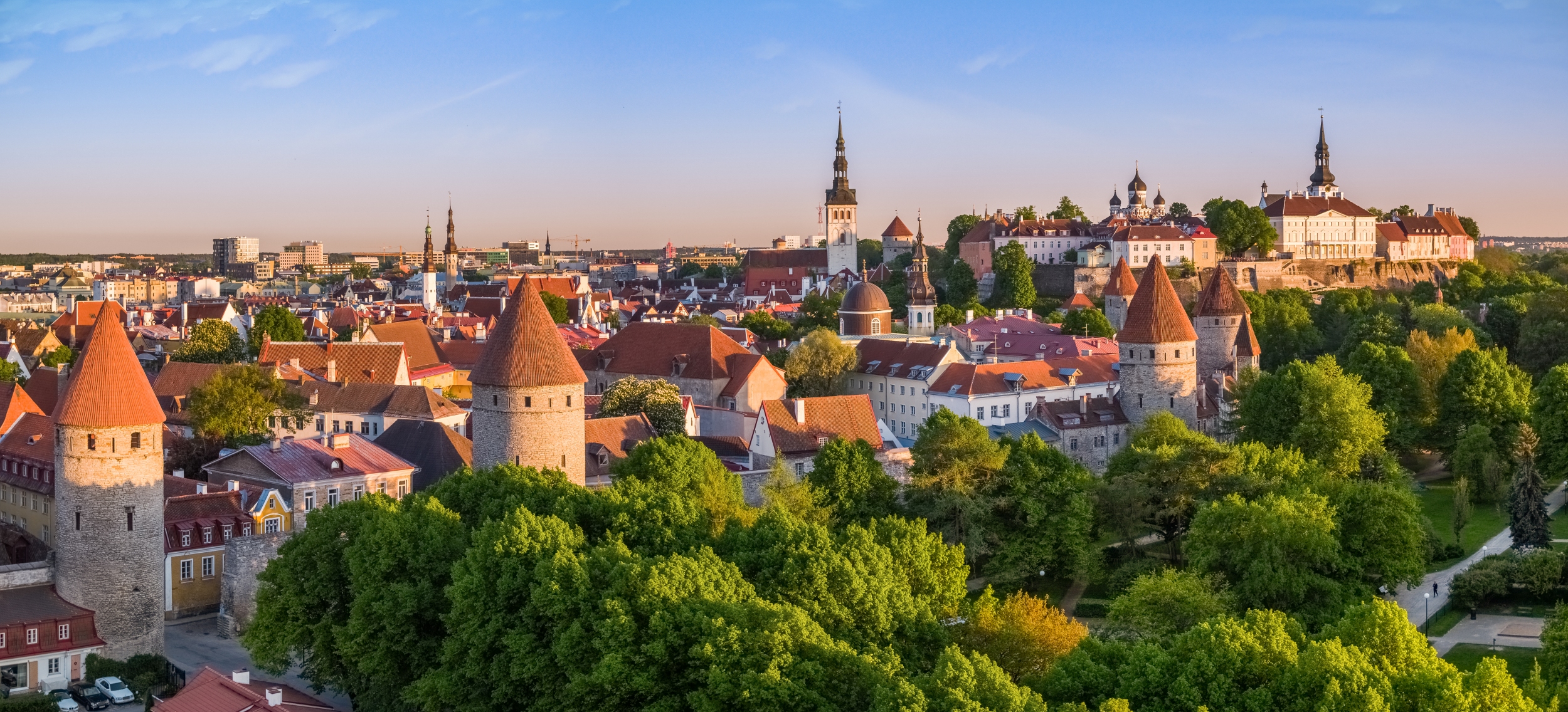
ENABLE DHC’s Inspiring Stories series is back with another example of efficient district heating. The project flew to Tallinn to learn more about how Estonia’s capital managed to become efficient and sustainable while providing affordable heating to its citizens.
Tallinn, Estonia’s capital and largest city, is home to a third of the country’s population, with around 500,000 residents, and accounts for half of Estonia’s GDP. It stands as one of the Baltic region’s key commercial, financial, educational, and transport hubs. This strategic importance is mirrored in its district heating system, which has been a backbone of the city’s energy infrastructure since 1956.
Today, Tallinn operates an extensive district heating network spanning more than 500 kilometres of pipelines that supply heat to households, businesses, and public institutions alike. The system, now approaching 70 years of continuous operation, has undergone major modernisation in recent years to meet the growing demand for sustainable and resilient heating. While the city relied entirely on natural gas until 2008, this reality has changed dramatically since then. The reliance on gas is set to fall dramatically—down to 10% by 2027—with full decarbonisation planned in the years ahead.
These advancements are being driven by new technologies, increased system flexibility, and deeper integration with other energy sectors. The ENABLE DHC project spoke with Eduard Latõšov, Head of Research at AS Utilitas Tallinna Soojus, the city’s utility operator, to understand how such a fast transformation unfolded. He explained how Tallinn has boosted efficiency, what future developments are underway, and how the system is adapting to the evolving landscape of EU energy legislation.
Read the full interview below to discover how Estonia is positioning itself as a European leader in green district heating.
Hi Eduard, could you briefly introduce the Tallinn District Heating system? When was it first built, how extensive is the network today, and how many customers are currently connected?
The development of Tallinn’s District Heating network began in 1956, when the first heat supply systems were built alongside the local combined heat and power plant. Since then, the network has expanded significantly, and today, Utilitas operates and develops Tallinn’s district heating system, which covers a large part of the city.
The network has grown into one of the largest in the region — extending over 528 kilometres of district heating pipelines and supplying heat to nearly 5000 buildings with a total heated area of 18,850,000 m², including residential, commercial, and public facilities.
What elements of the Tallinn District Heating system make it efficient?
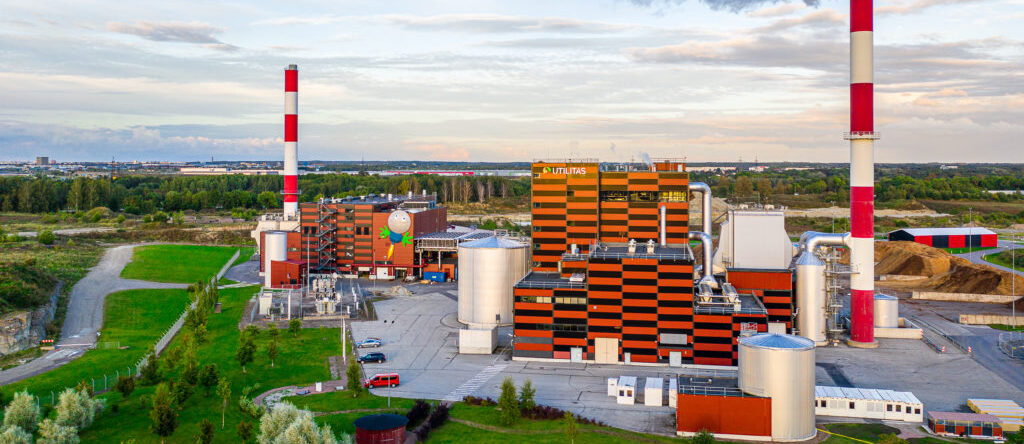
The efficiency of the Tallinn DH system is based on several key factors:
- Integrated production and network management: Three highly efficient combined heat and power (CHP) plants using local biomass are operated together with thermal storage to optimise efficiency and reduce heat losses.
- Use of renewable and waste heat: Large-scale heat pumps operating as the second stage flue gas condensers, particularly at the Väo and Mustamäe sites, utilise residual energy from CHPs, decreasing the need for using peak load fossil fuel plants.
- Modernised infrastructure: Continuous investments in network reconstruction and digital monitoring help minimise transmission losses and improve overall performance.
Are the plans for a complete phase-out of fossil fuels? If so, what are the next key steps in that transition?
Yes. Utilitas is committed to phasing out fossil fuels from the district heating system. The share of natural gas has already been reduced from 100% of the mix of fuel in 2008 to less than a third today, and by 2027, it will reach below 10%. We have committed ourselves to further reducing GHG emissions by 90% by 2030 from a 2023 base year. The Science Based Targets initiative has validated that our target conforms with the SBTi criteria and recommendations and is in line with a 1.5°C trajectory.
The key next steps include:
- Commissioning additional large-scale heat pump – the milestone project is a 110 MW wastewater and seawater heat pump plant, which is already in construction and should produce heat by the end of 2026
- Expanding the use of waste heat, and other renewable heat sources, for example, electrical boilers using green electricity
- Adding new thermal storage units to the network
- Adapting the network for lower-temperature operation to further improve efficiency and flexibility
- Using digital tools to further optimise the energy system and maximise the use of renewable heat sources
The European Union’s Energy Efficiency Directive (EED) sets criteria for district heating systems to be classified as efficient. What measures are in place to ensure that Tallinn’s network remains compliant with evolving EU efficiency requirements?
The Tallinn district heating network, operated by Utilitas, has been awarded the Efficient District Heating label. The network meets the requirements of the EU Energy Efficiency Directive and qualifies as an efficient district heating system.
- Compliance with the evolving EED requirements is achieved through:
- Continuous monitoring and reporting of energy efficiency indicators and renewable energy share
- Investments in high-efficiency technologies, including CHP, heat pumps, and network upgrades
- Strategic coordination with national and local authorities to ensure the system remains classified as “efficient district heating” under EU definitions
How important has cooperation been between the municipality, utility, and national decision-makers in the success of the system?
Cooperation has been essential to the system’s success. The City of Tallinn, national regulators, and Utilitas have worked closely on planning, permitting, and investment programmes to accelerate the transition toward renewable heat.
Joint efforts have helped align infrastructure development, policy targets, and funding opportunities, creating a strong foundation for sustainable urban heating.
How did developing a robust investment plan help increase Tallinn’s DH system efficiency? Did you have external support for such a plan?
A comprehensive long-term investment plan has been crucial for prioritising upgrades — from pipeline reconstruction to new renewable generation capacity. This structured approach has improved system efficiency, reduced losses, and increased resilience.
Utilitas has financed its projects mainly through a mix of internal capital and commercial loans. We have not used EU funding.
How easy/difficult was it to access public funding and loans for the project? And what about private financing?
We haven’t used EU funding for our district heating projects. Private financing has been available thanks to the system’s stable cash flows and the strong environmental and economic case for renewable district heating investments.
What are the expansion plans? How will the heat demand be met once more connections are added?
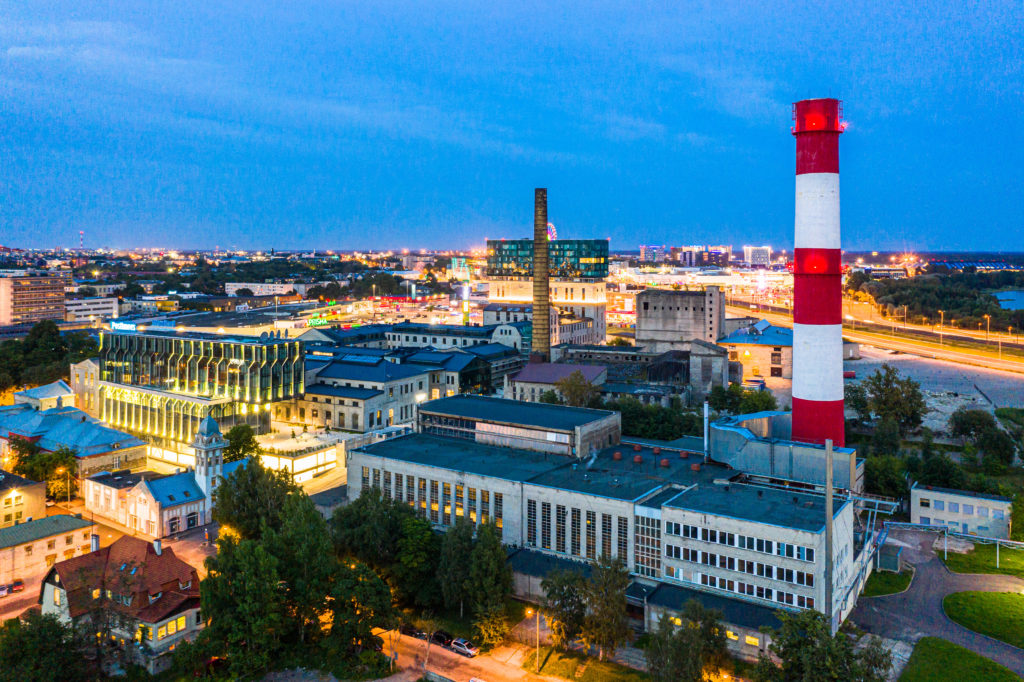
The Tallinn DH network continues to expand in step with urban development — connecting new residential and public buildings. Every year, around 100 new buildings are connected to the efficient district heating network.
To meet growing demand, Utilitas is:
- Increasing renewable heat generation capacity (new heat pumps, CHP upgrades, and waste-heat solutions)
- Optimising network performance through smart monitoring and temperature control, and adding heat storage units to the network
- Promoting energy efficiency and demand management among customers
In your view, what role will efficient District Heating systems play in achieving the decarbonisation objectives in the H&C sector?
Efficient district heating systems are key enablers of decarbonisation in the heating and cooling sector. They make it possible to integrate renewable and waste heat sources at scale, manage resources efficiently, and phase out fossil fuels in urban areas. We also firmly believe in sector coupling, so that, for example, the production of heat and electricity is connected efficiently. Sector coupling is the most efficient and sustainable way to decarbonise the energy sector. District heating network also helps to keep the electricity network balanced by participating in balancing markets with electricity-based production units.
By combining technological innovation with strong local partnerships, district heating will remain one of the most effective tools for reaching Europe’s carbon-neutrality targets.
The ENABLE DHC project thanks Eduard Latõšov and Kadri Inselberg for supporting this episode of Inspiring Stories. You can learn more about Utilitas by visiting their website at Home – Utilitas, their LinkedIn @Utilitas, and their YouTube channel Energiakontsern UTILITAS.
Check the first episode of the Inspiring Stories series. Evan Bernardi, communication leader of the projects, visited the Nieuwe Dokken project in Gent, and interviewed Peter De Smet to learn more about how the city in northern Belgium is transforming the way it provides heat to its citizens. Check the interview here Inspiring Stories Ep. 1 – Nieuwe Dokken (Gent, Belgium) – ENABLE DHC.