ENABLE DHC – Second project Meeting in Rijeka

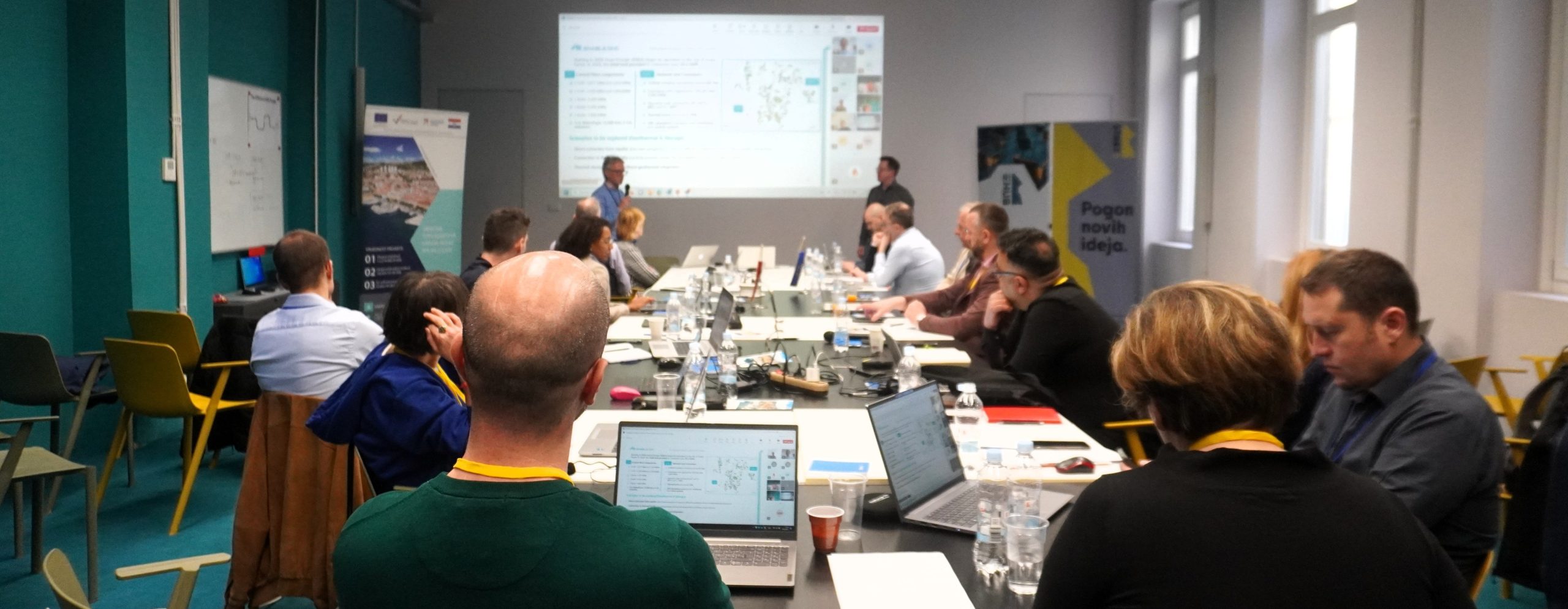
From 20th to 21st March, members of the ENABLE DHC project gathered in Rijeka, in Croatia, for the project’s second General Assembly. This meeting marked six months since the project began its activities. The event was an opportunity for partners to update one another on the progress of the nine case studies involved, as well as to discuss the next steps for the project.
The meeting
The General Assembly was hosted by ENERGO, the utility company in Rijeka responsible for the local district heating network and a partner in ENABLE DHC. The CEO of ENERGO, Marko Križanec, officially opened the activities by giving a speech. Mrs. Tajana Jukić Neznanović, Senior Advisor and Sustainable Development Specialist for the City of Rijeka, also attended the meeting, highlighting the relevance of the project to local authorities and the commitment to working towards efficient and clean district heating.
The meeting showcased how ENABLE DHC is progressing rapidly. Partners are actively engaging with local utility operators and other relevant stakeholders to identify opportunities and challenges related to integrating renewable energy sources and waste heat into the networks. They are also exploring methods to modernise and expand these systems. Each case study has unique characteristics, which will require significant effort from the consortium members and strong collaboration with external partners for effective assessments.
On the communication front, the project is committed to collaborating with similar initiatives to learn from and share best practices. As part of this effort, ENABLE DHC has joined the DH Synergy Hub, a cluster of seven EU-funded projects with comparable goals. The team is also maintaining a consistent online presence to connect with relevant audiences and raise awareness about the need to decarbonise the heating and cooling sector.
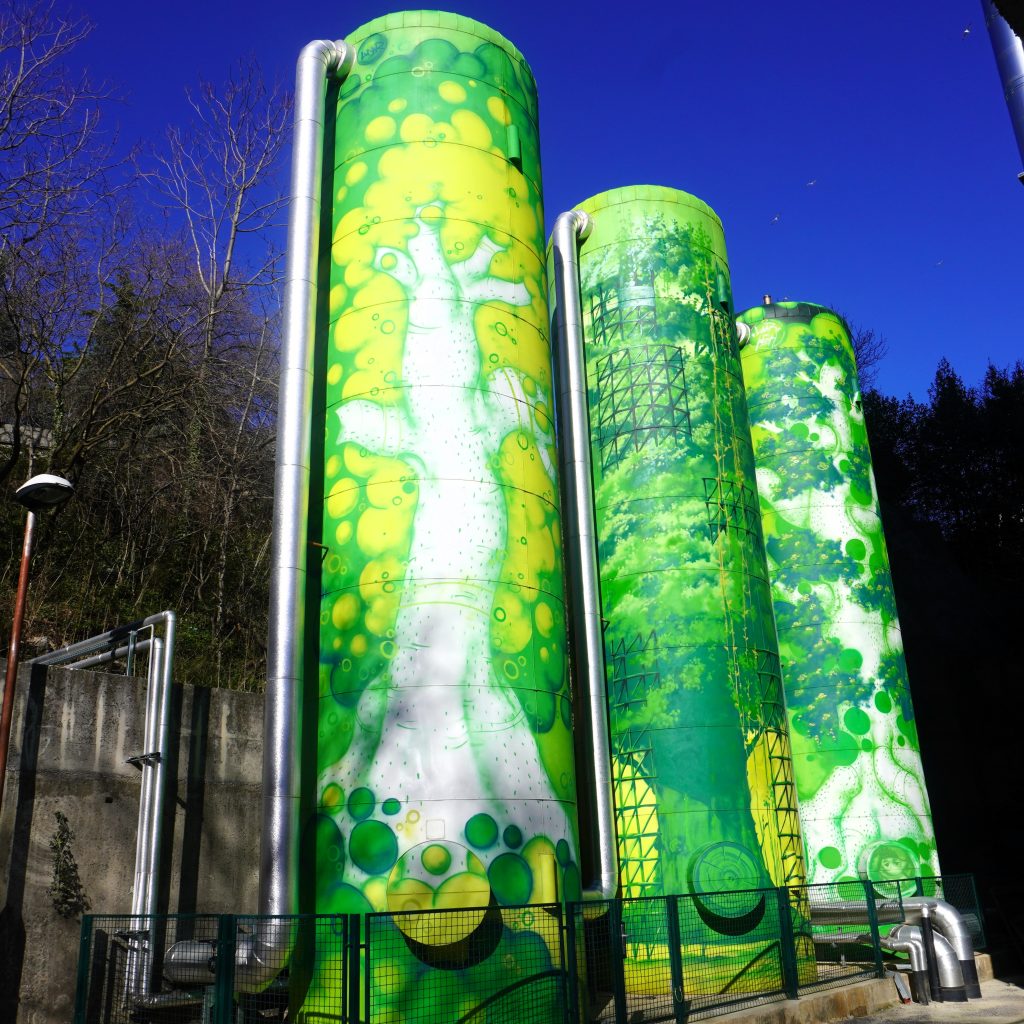
In addition to the meetings, the hosts from ENERGO organised visits to two cogeneration plants in Rijeka. This allowed participants to observe firsthand the ongoing work to expand and enhance the efficiency of the district heating network in the city.
Rijeka, located on Croatia’s northern coast, plans to add heat storage tanks, connect various networks currently divided into clusters across the city, and install solar panels to increase the share of renewable energy in the system as well as use waste heat from wastewater.
Next steps
The coming months will be marked by intense work in the case studies. The partners will keep meeting relevant stakeholders for the set-up of the working groups responsible for assessing the development of the investment plans that will render the district heating network efficient. The team will meet once again in person this year to commemorate 1 year of the project in October.
About ENABLE DHC
ENABLE DHC is a project funded by the EU LIFE Programme, focused on developing investment plans for nine case studies across seven countries. The goal is to transform these cases into efficient district heating and cooling (DHC) systems in accordance with the European Union’s Energy Efficiency Directive.
The case studies are located in Tallaght (Ireland), Vienna and Weiz-Gleisdorf (Austria), Acqui Terme (Italy), Poltava and Stryi (Ukraine), Riga (Latvia), Rijeka (Croatia), and Ljubljana (Slovenia). Close collaboration among project members, local authorities, stakeholders, and utility operators will support the modernisation and decarbonisation of these networks. Beyond the work done in these 9 initial case, the work done at ENABLE DHC will provide the consortium with valuable knowledge that will be used in follower cases throughout Europe.